Services
Feral Animal Control
The core of what we do
Bylund Precision Services draws upon more than 50 years of experience in the humane removal of vertebrate vermin.
Firearms are our preferred tools of trade and used where possible as the most efficient method of vermin removal.
We do not take the use of firearms lightly and make every effort to ensure their safe use.
At BPS we take the utmost care to ensure minimum or elimination of suffering.
We use the right tool for the job.
Species We Manage
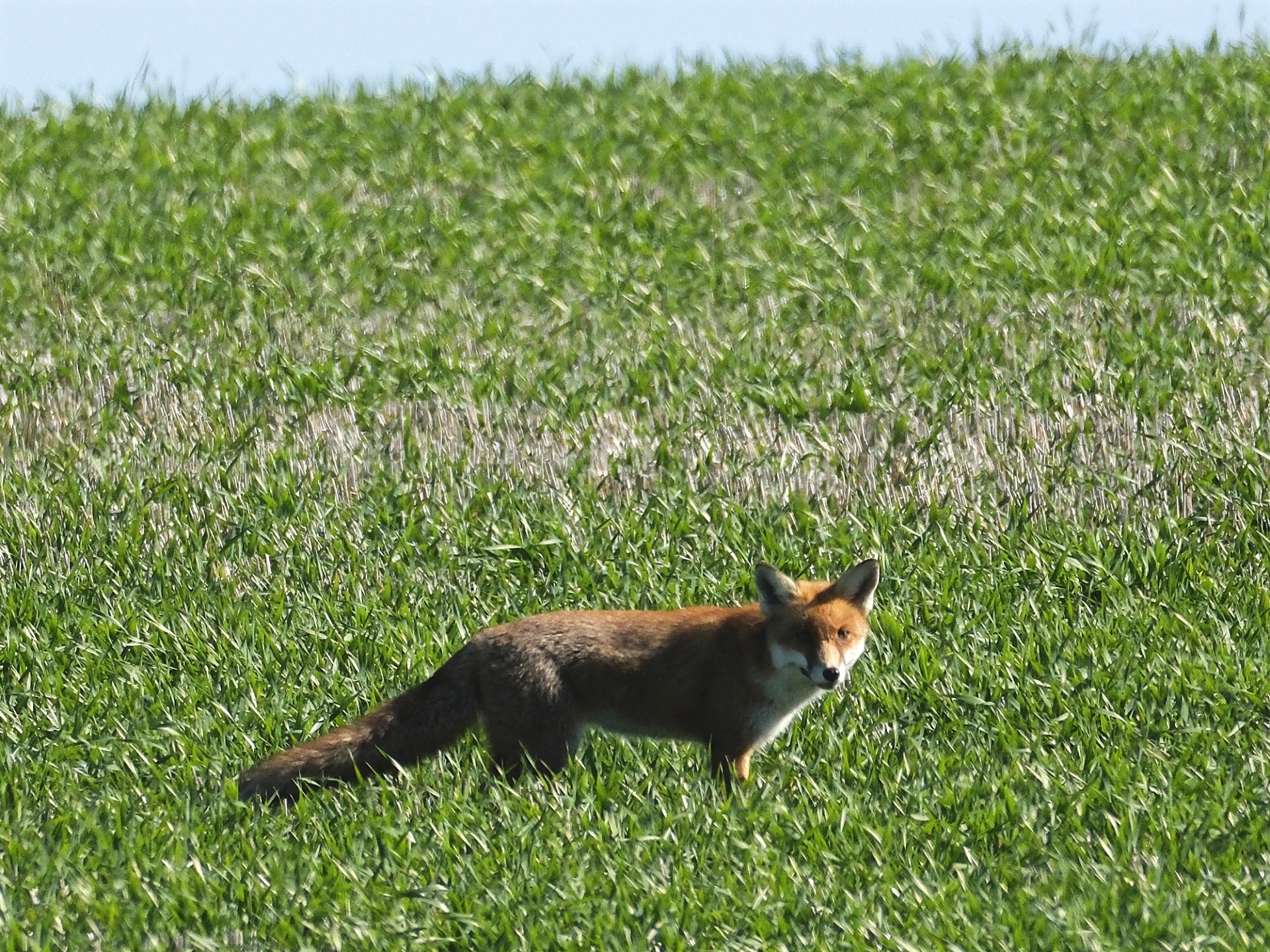
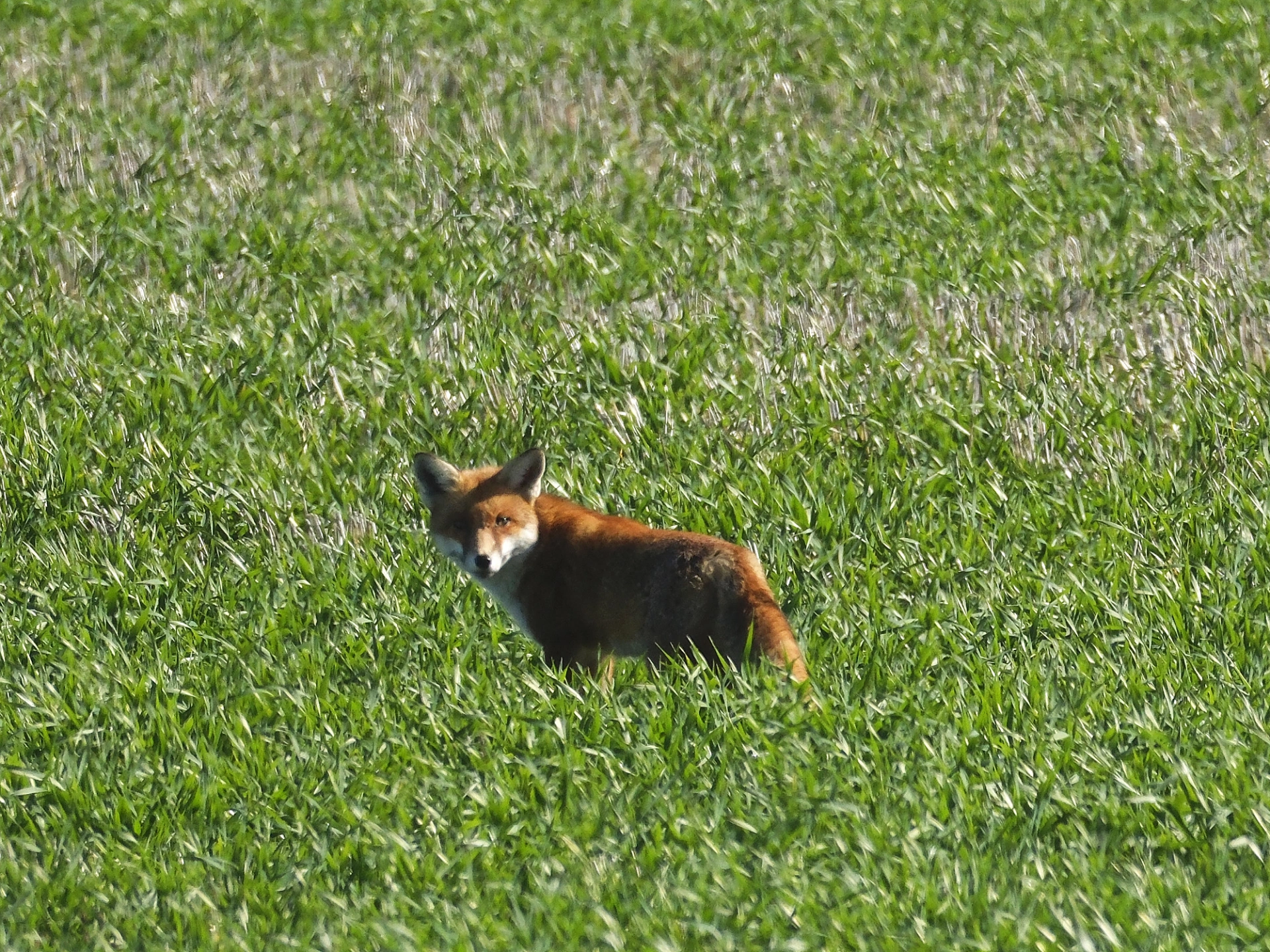
Foxes
The Red Fox remains one of Australia's most harmful feral animals, a thorn in the sides of farmers and native species alike. One fox can wreak havoc in reserves and farmland, killing hundreds of other animals every year. In rural areas, foxes are best controlled by regular shooting, better and easier in the summer months.
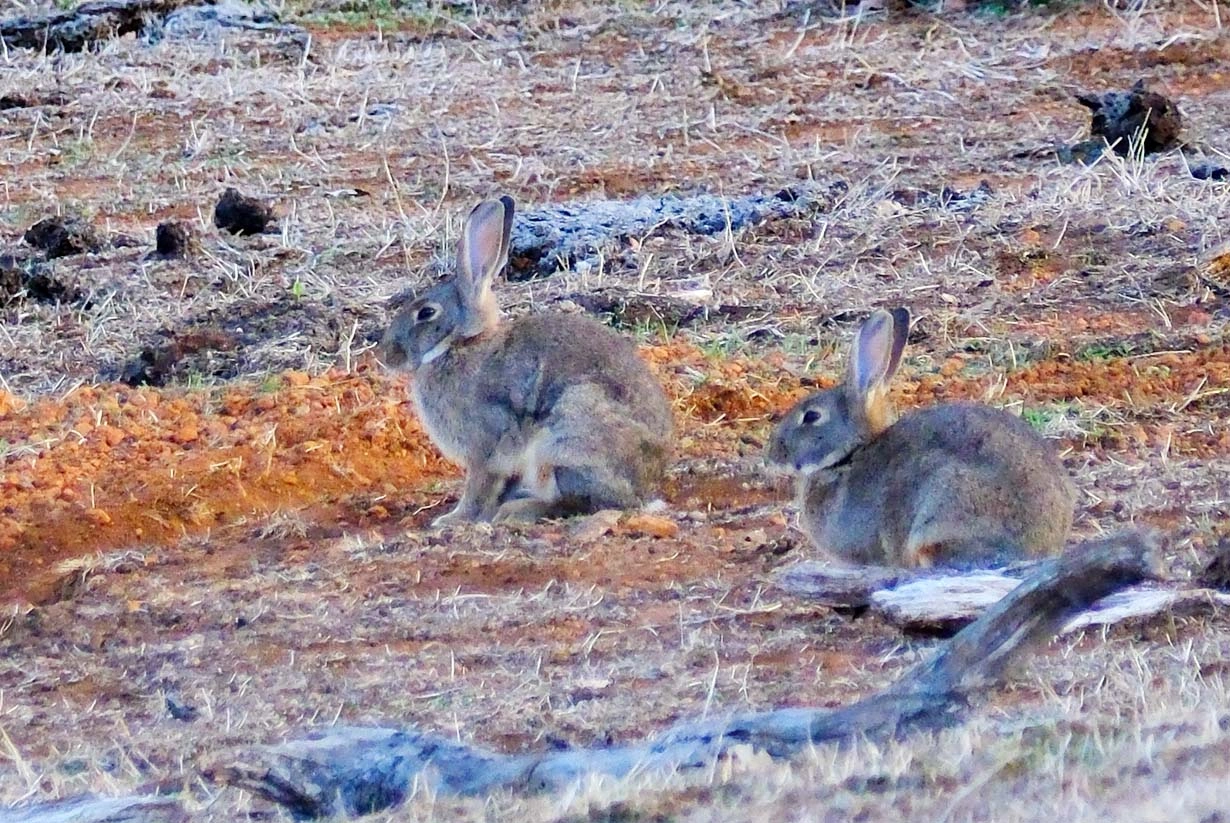
Rabbits
Soon after they were introduced in the 1880's, rabbits became a costly vermin pest, infesting all of Australia except the tropical north. They are an amazingingly adaptable animal, thriving in a variety of climates. If it wasn't for their incredible reproduction rate, they would not be such a problem. However they consume large amounts of pasture, damage crops, undermine infrastructure and create large areas of diggings causing errosion and endangering stock. Each doe can produce about 8 kittens every 10 weeks, and they become productive after only 10-12 weeks.
Pigs
Pigs were introduced as early as the first European landings in Australia and have infested about half of the continent. Pigs have a physiology similar to humans and can carry a multitude of diseases harmful to stock and man. They can breed quickly with each sow producing up to 8 per litter every 2 months. Pigs are omnivours and will eat anything from grain crops to carien. They are notorious for rooting up large areas of pasture in search of onion grass, destroying fences, wallowing in water holes and spreading forrest disease like dieback.
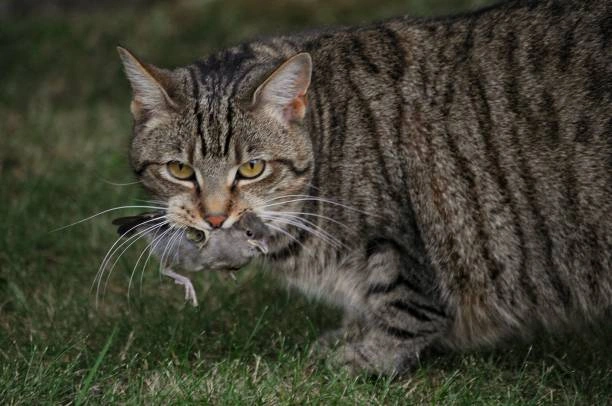
Feral Cats
Feral cats are vicious killing machines, and take an immense toll on the small creatures of Australia. Only animals bigger than rabbits are safe from cats. They can also climb trees and put birds and their nests at risk. Cats a beautiful animals but they must not be in the Australian bush.
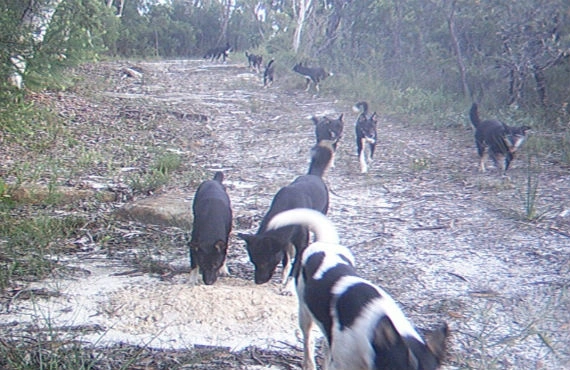
Wild Dogs
Wild dogs are wiry, vicious animals that sometimes roam in packs. They are able to decimate everything from small native wildlife to livestock. They can interbreed with dingoes to come a pack predator, putting even cattle and calves at risk. There are some areas of remote Australia where dogs (and foxes and cats) have taken almost all of the vertebrates other than camels. Unfortunately, once the dogs get a taste for stock, they usually keep killing, quite often, it seems for their pleasure rather than food.
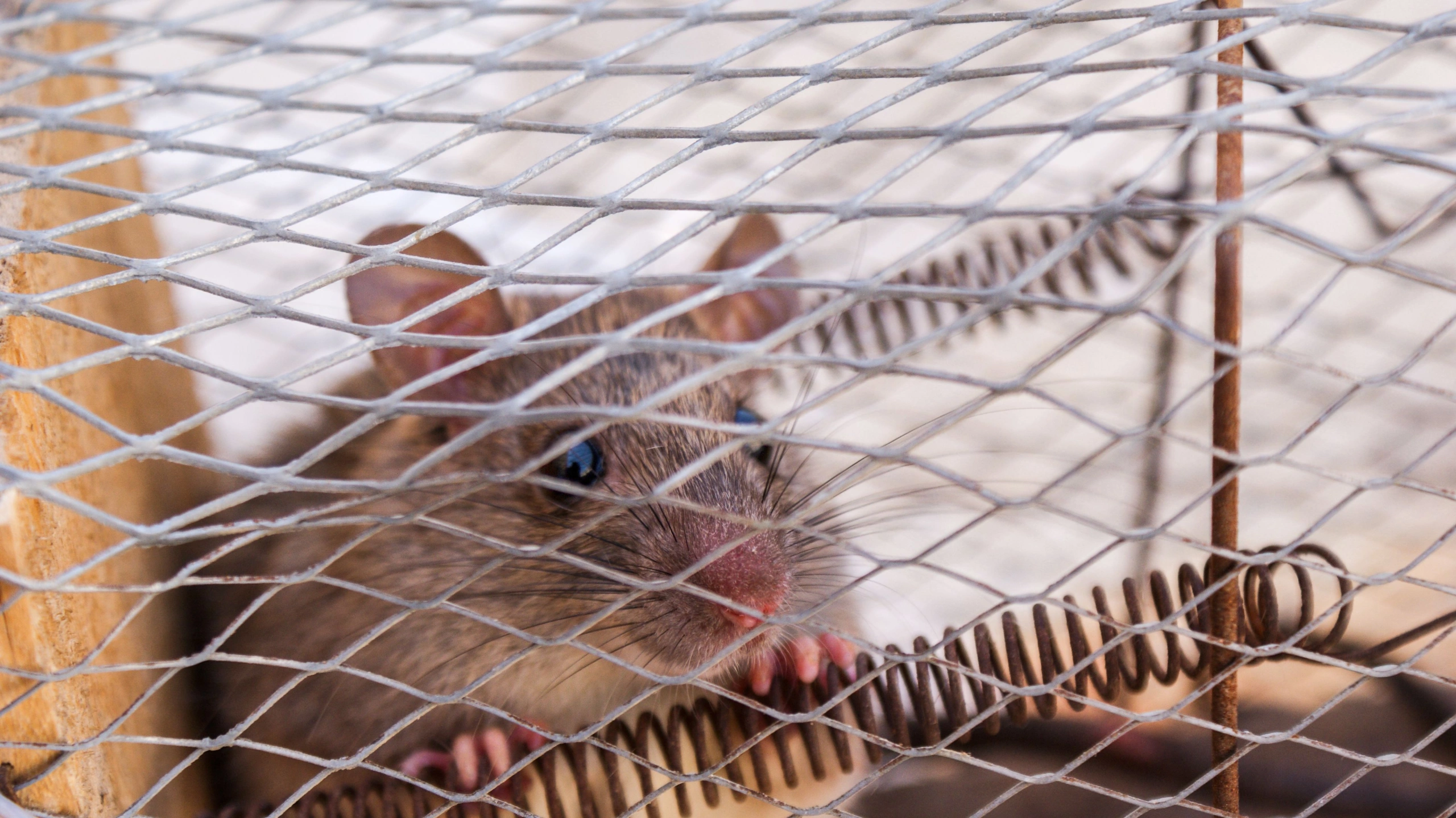
Black Rats
Similar in breeding habits to rabbits, feral rats are renowned for breeding quickly, ravaging food sources, but also spreading disease with their faeces. They are a particular problem where unlimited food sources enable their numbers to build, like poultry and granaries.

Pigeons
Often described as feathered rats, introduced pigeons can breed to alarming levels if unchecked when the food source is unlimited. This often occurs at grain terminals, transport hubs and port facilities where spillage is unavoidable and nesting options are plentiful. Their mess near their roosting sites is destructive to plant and a real health risk to humans and other fauna. They are known to carry disease and parasites that spread with their faeces. They pose an added risk to spreading bird flu, especially as they often congregate at coastal facilities where infected migratory birds are more commonly found.
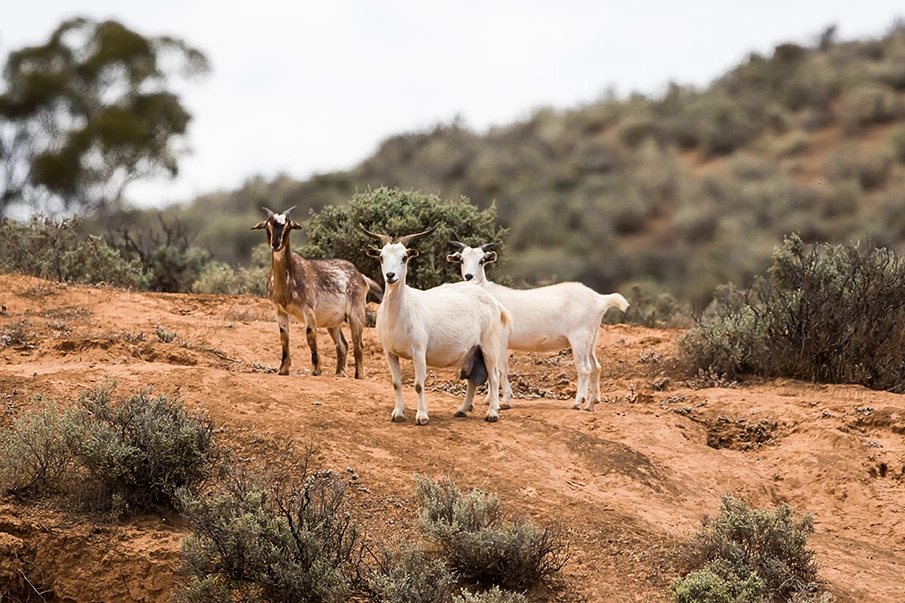
Feral Goats
Feral goats populations, like many ferals can build in the more remote areas and become destructive due to sheer numbers. They consume almost every type of vegetation and use valuable stock water resources. They are impervious to conventional fencing and can cause damage to fragile ecosystems, especially when feed is scarce. They are best controlled by consistent shooting and trapping programmes.
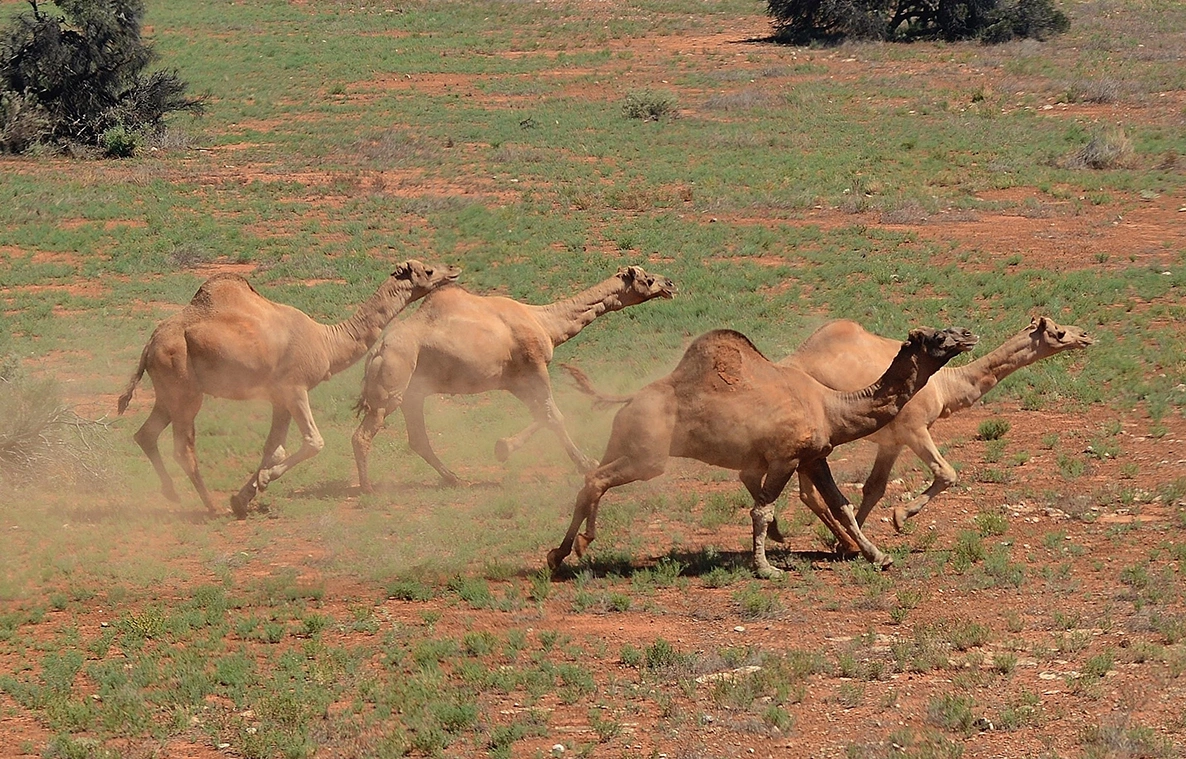
Feral Camels
Australia has tens of thousands of healthy feral camels in the remote regions. These magnificent animals are ideally suited to arid areas and their sheer numbers are causing unacceptable damage to delicate desert biospheres by their vegetation damage, erosion from their tracks and destruction/damage around watering points. This is especially an issue in station country where water contamination can render a wildmill troughunusable for stock.
Frequently Asked Questions
There's always a risk when it comes to this kind of work, but the short answer is yes, it is.
We work exceptionally hard to be precise and humane in the removal of feral animals. We're animal lovers ourselves, and we don't like seeing creatures in pain.
This depends entirely on the situation and your circumstances, but can often be summed up with 'Professional Hunting'. Using some of the best equipment available, we will canvas the area in question, carefully searching for signs of feral animals, before despatching them swiftly, safely, and humanely with the use of firearms.
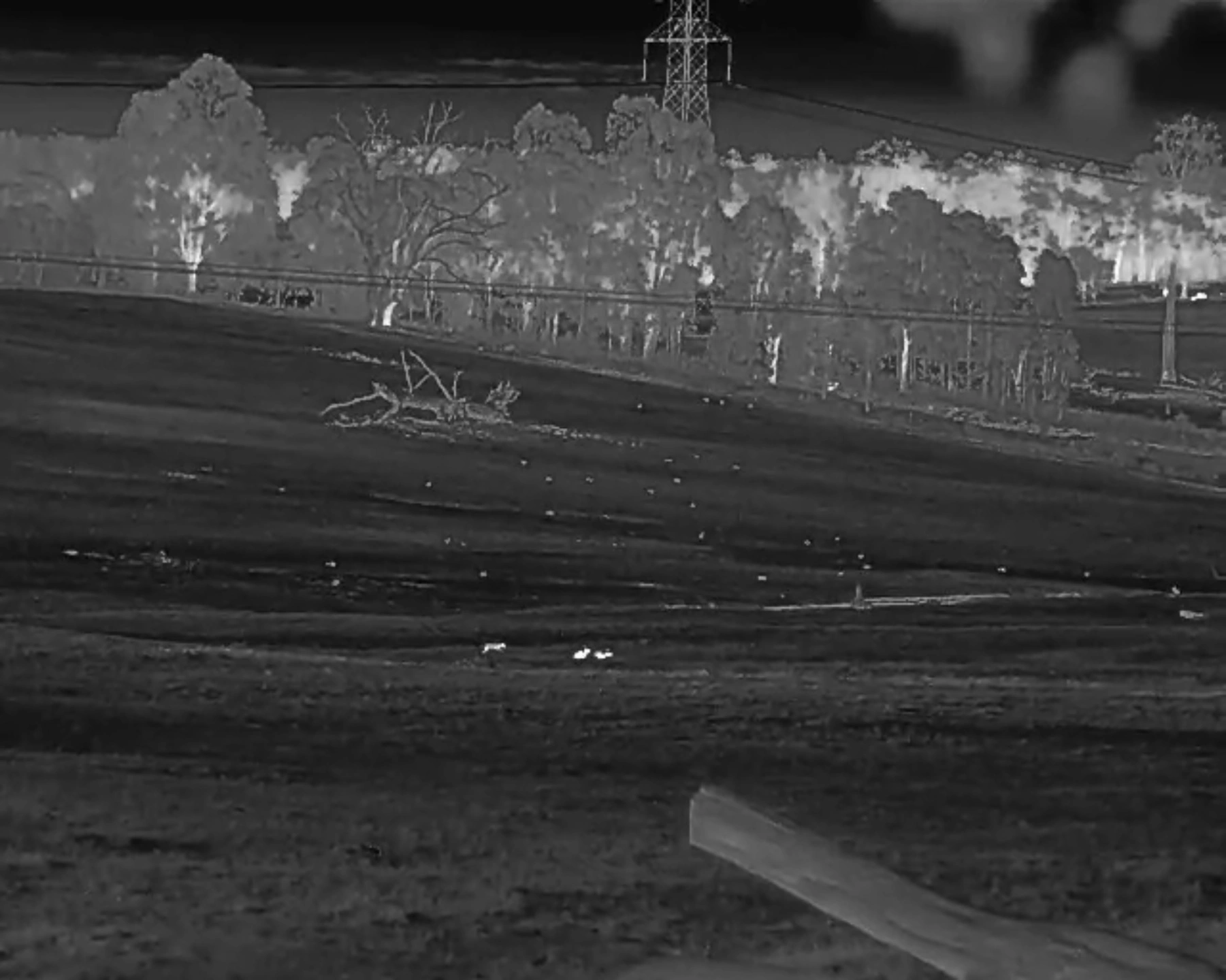
Area Assessments
A surveyed examination of an area will give concise information to aid consideration of possible interventions. If required it can provide a baseline for the efficacy of future action.
Assessments can involve:
Live animal counts
Damage to crops and pasture
Damage to fences and infrastructure
Ground damage (pigs and rabbits)
Native animal counts
Potential for successful intervention
Euthanising & Removal
We don't like seeing animals suffer, so we can help with that too.
In the unfortunate situation where euthanising is the only option, we can provide an 'on call' service that is humane, safe and discrete. We are prepared to work with any authority to ensure the safest methods and can comply with regulations under their direction.
This service will require a pre-emptive arrangement with authorities for on call service, especially if the service is required in areas with public access.
Need advice or have a question?
Click the button to fill out a form or give us a call to set up a meeting.